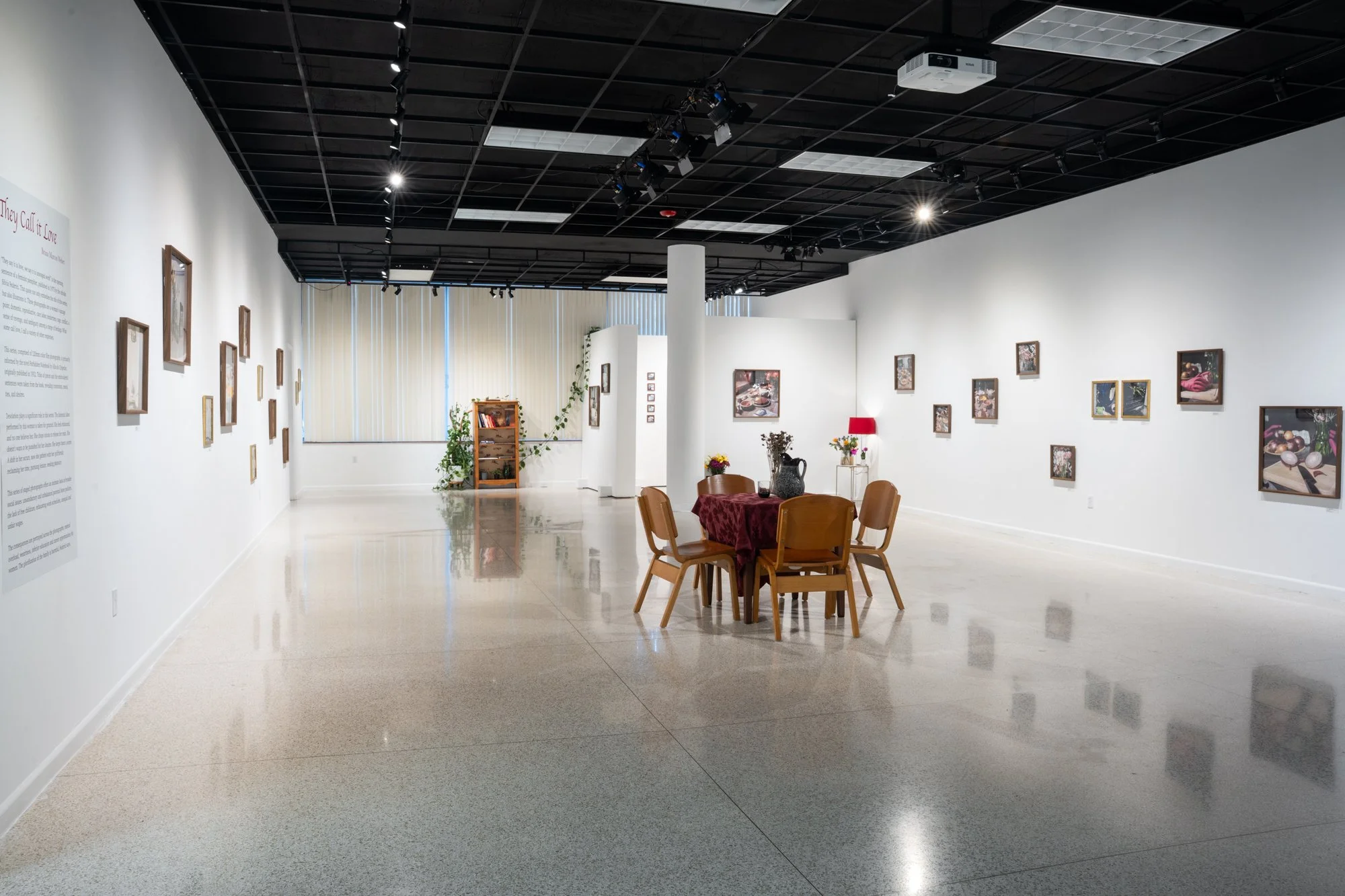





They Call it Love
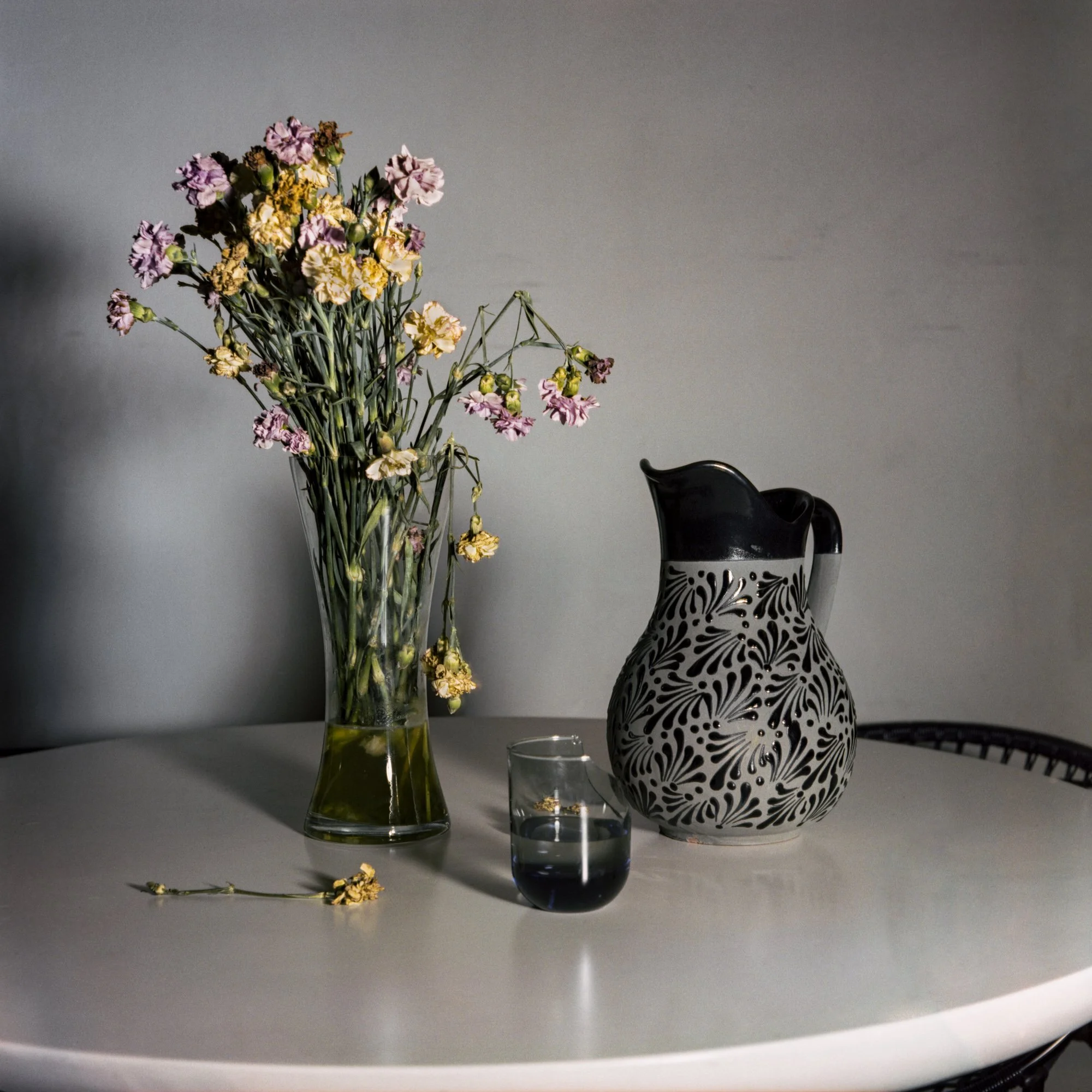
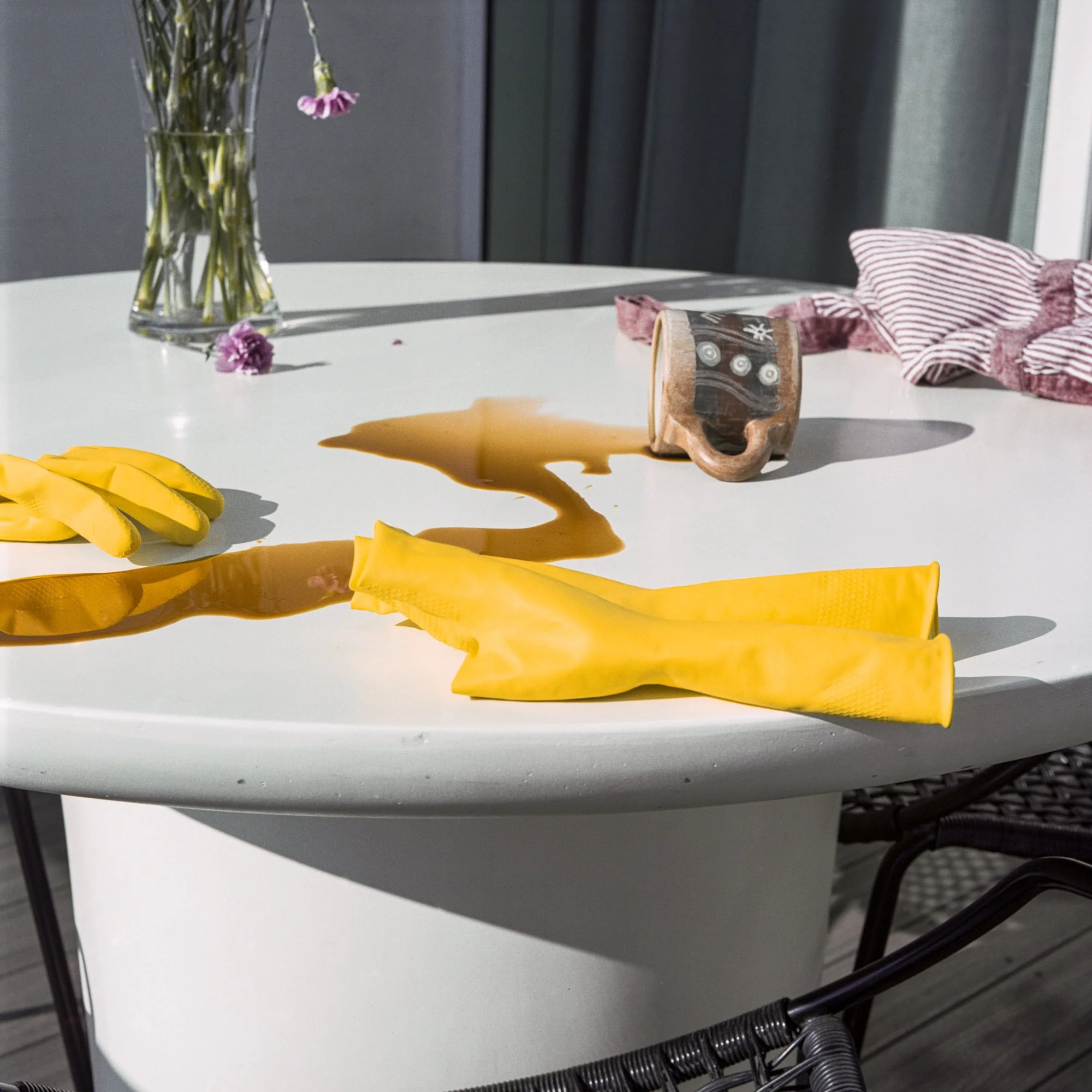
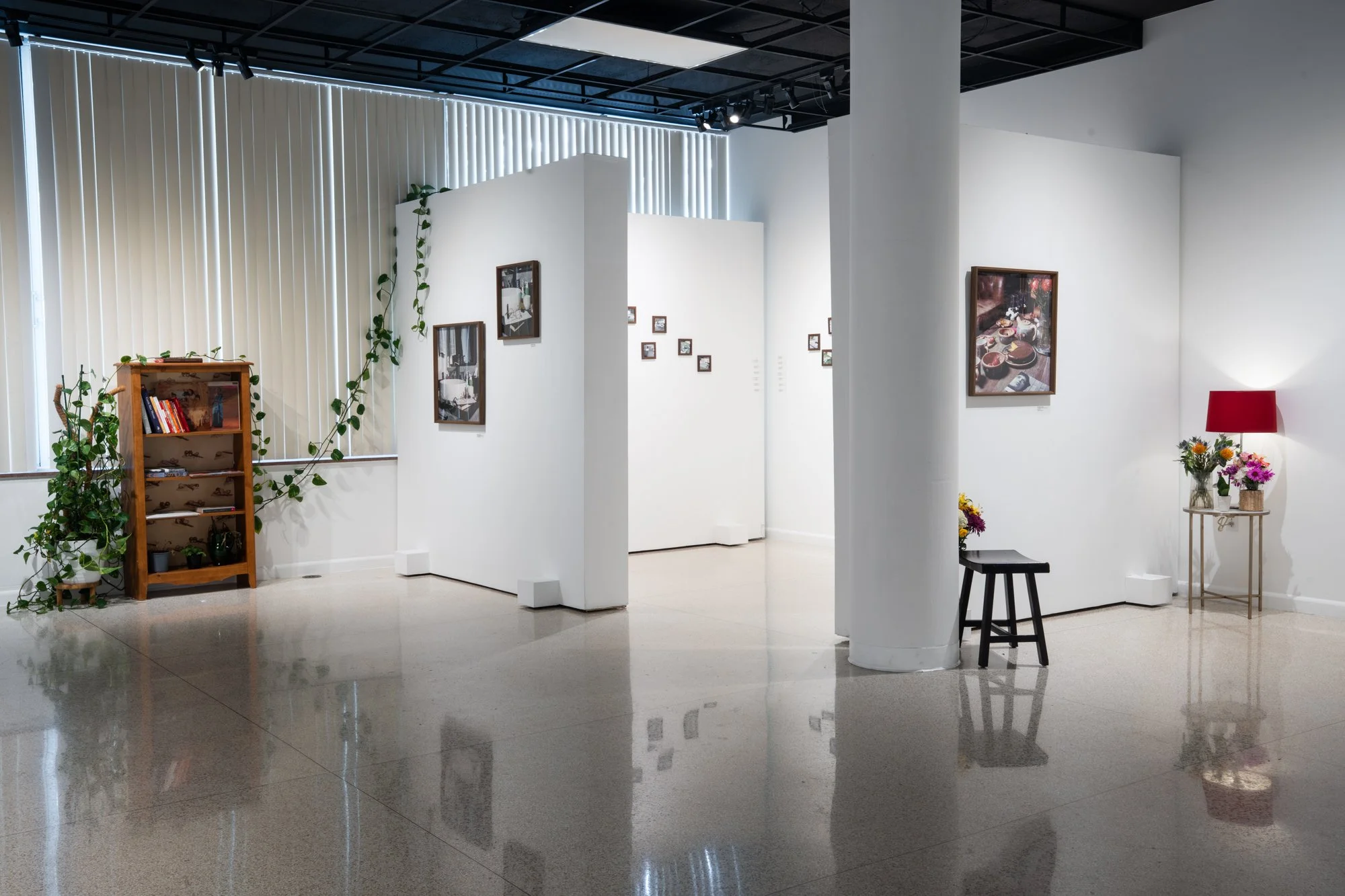
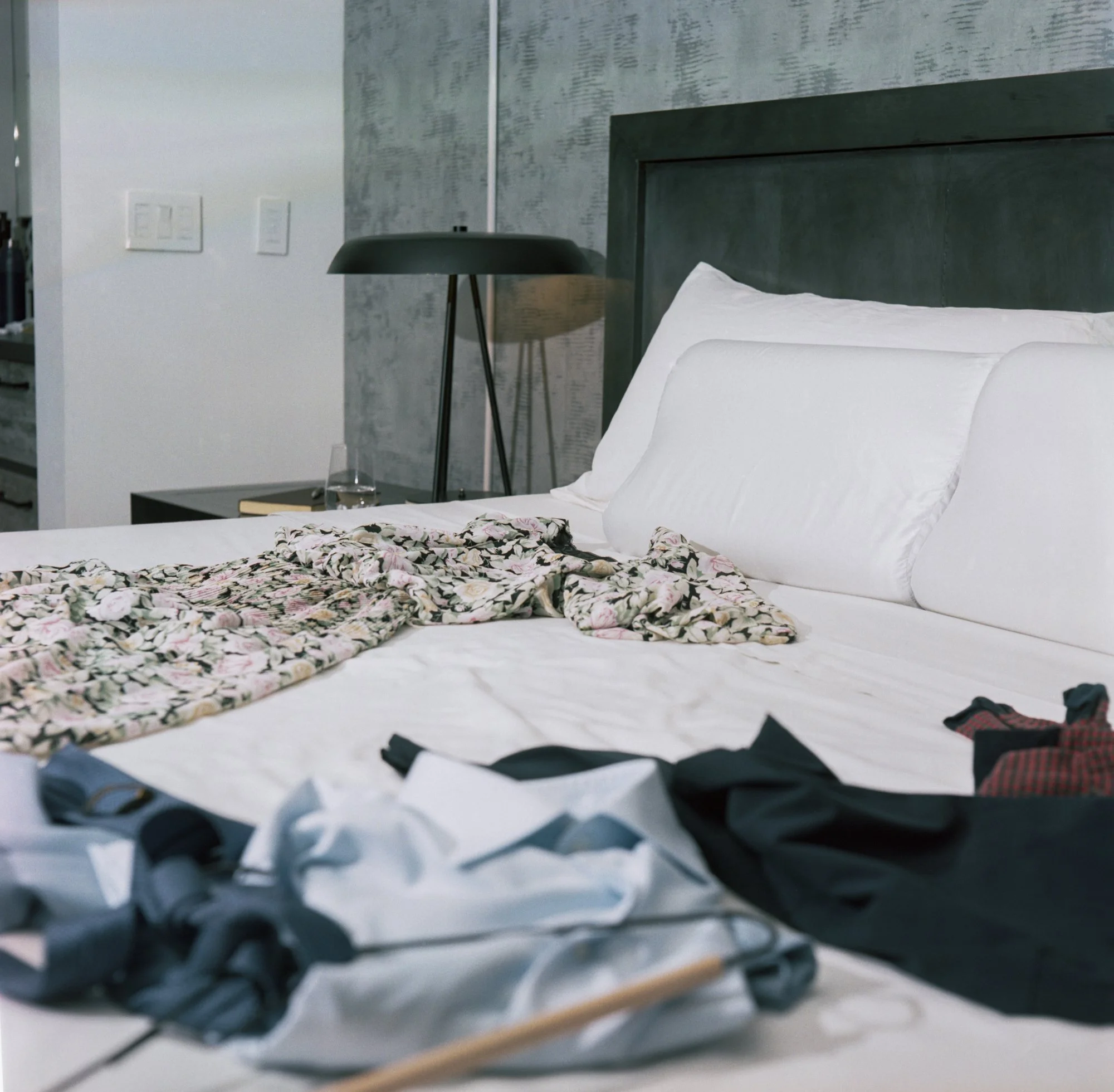
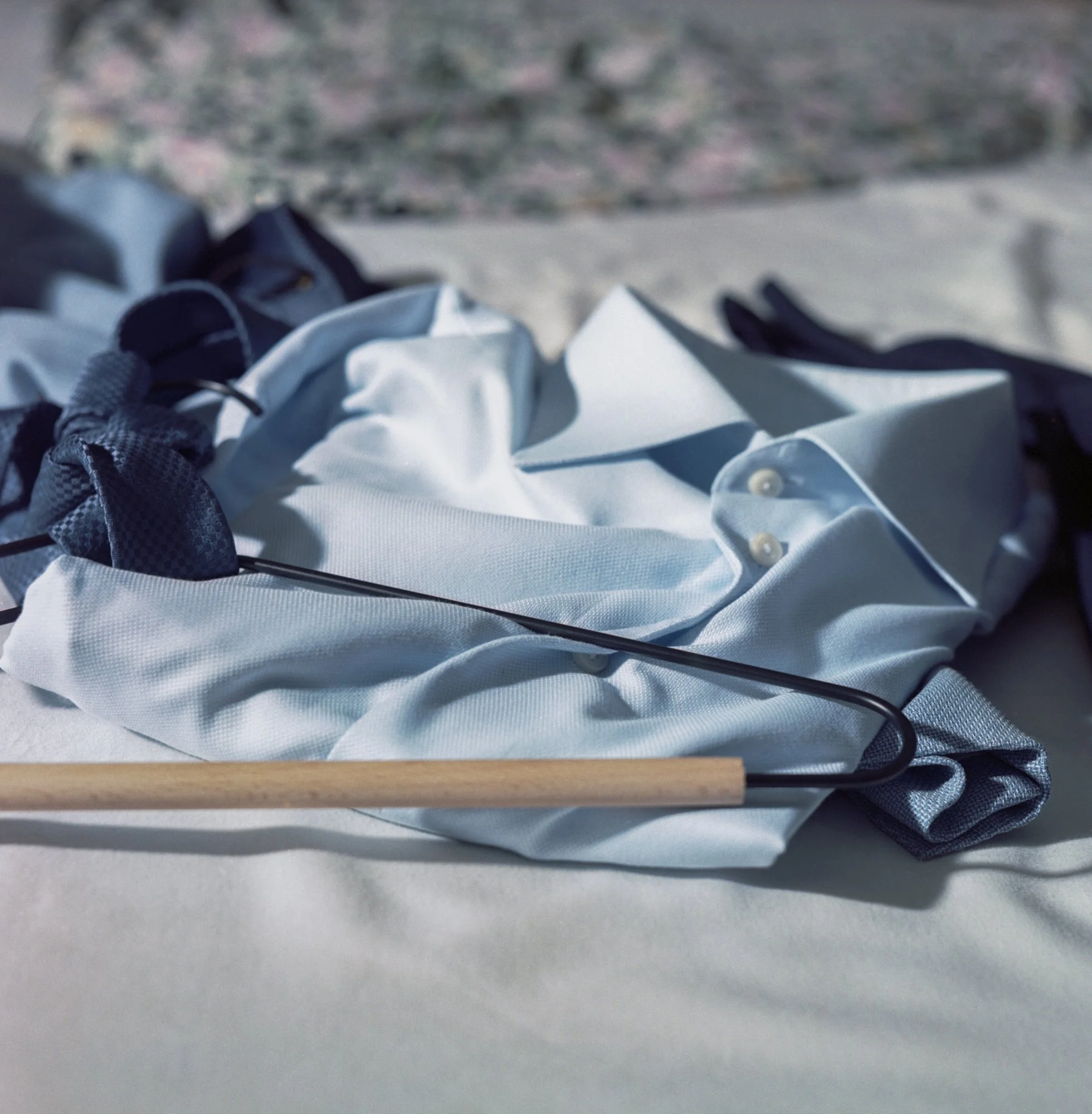
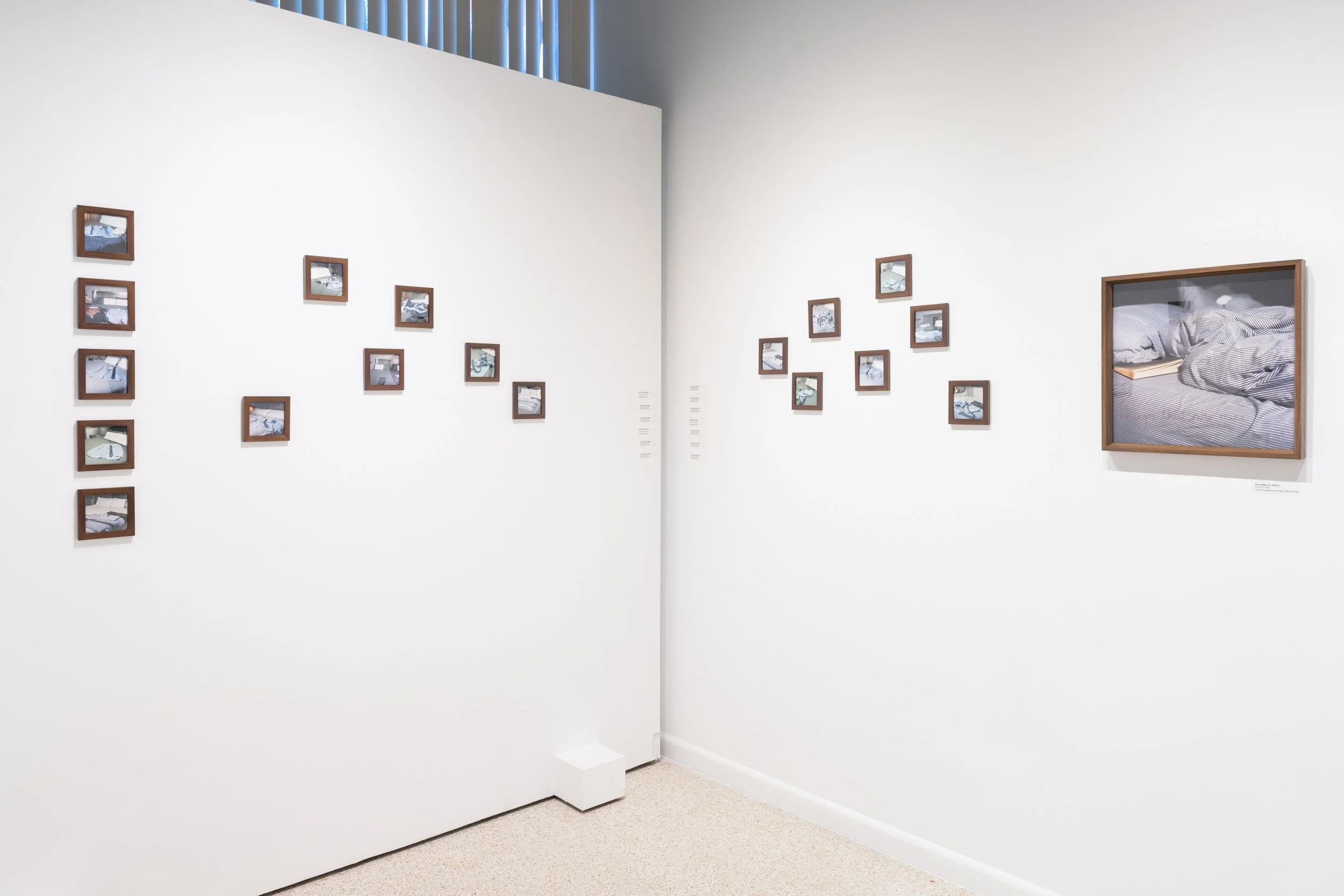
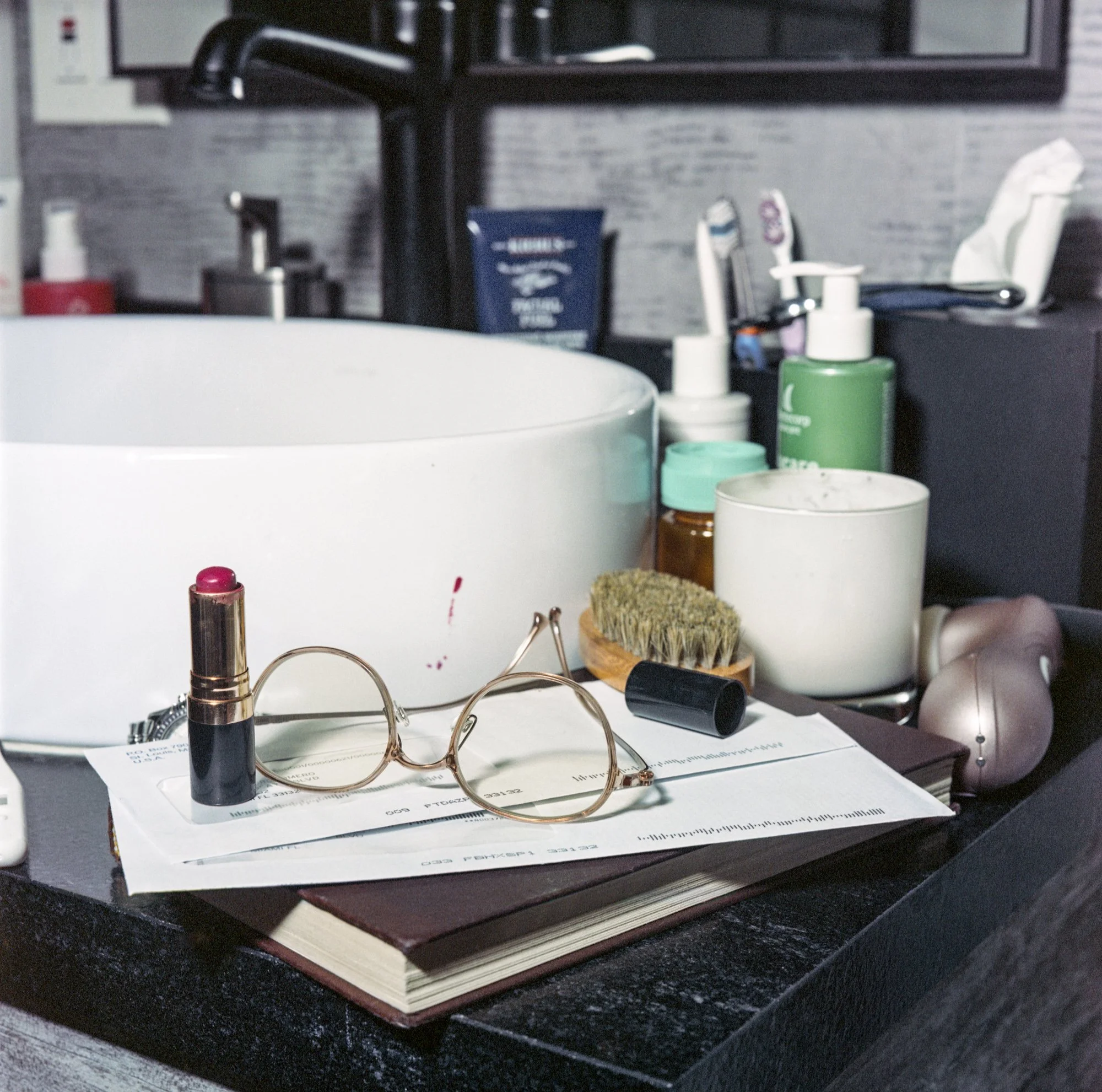
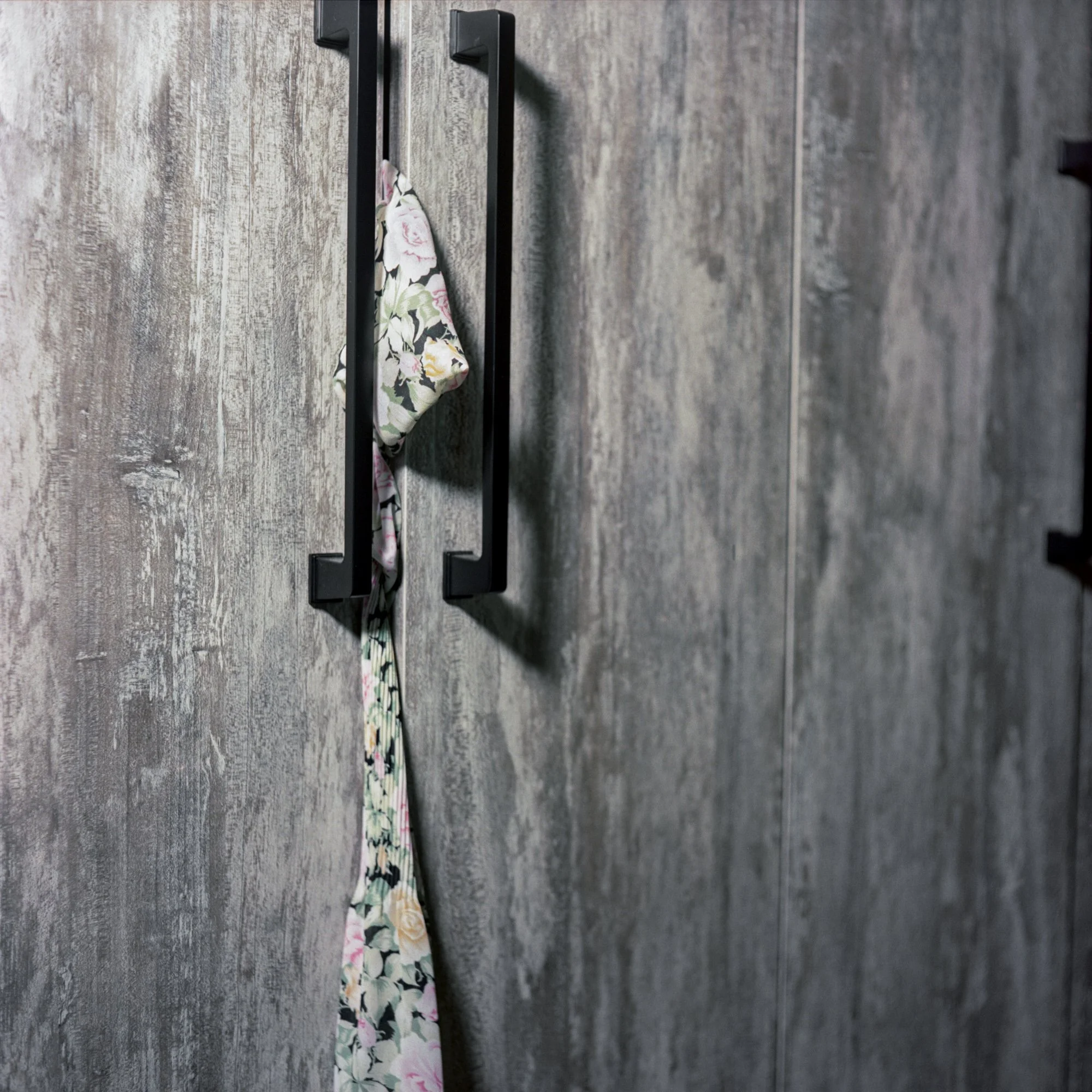
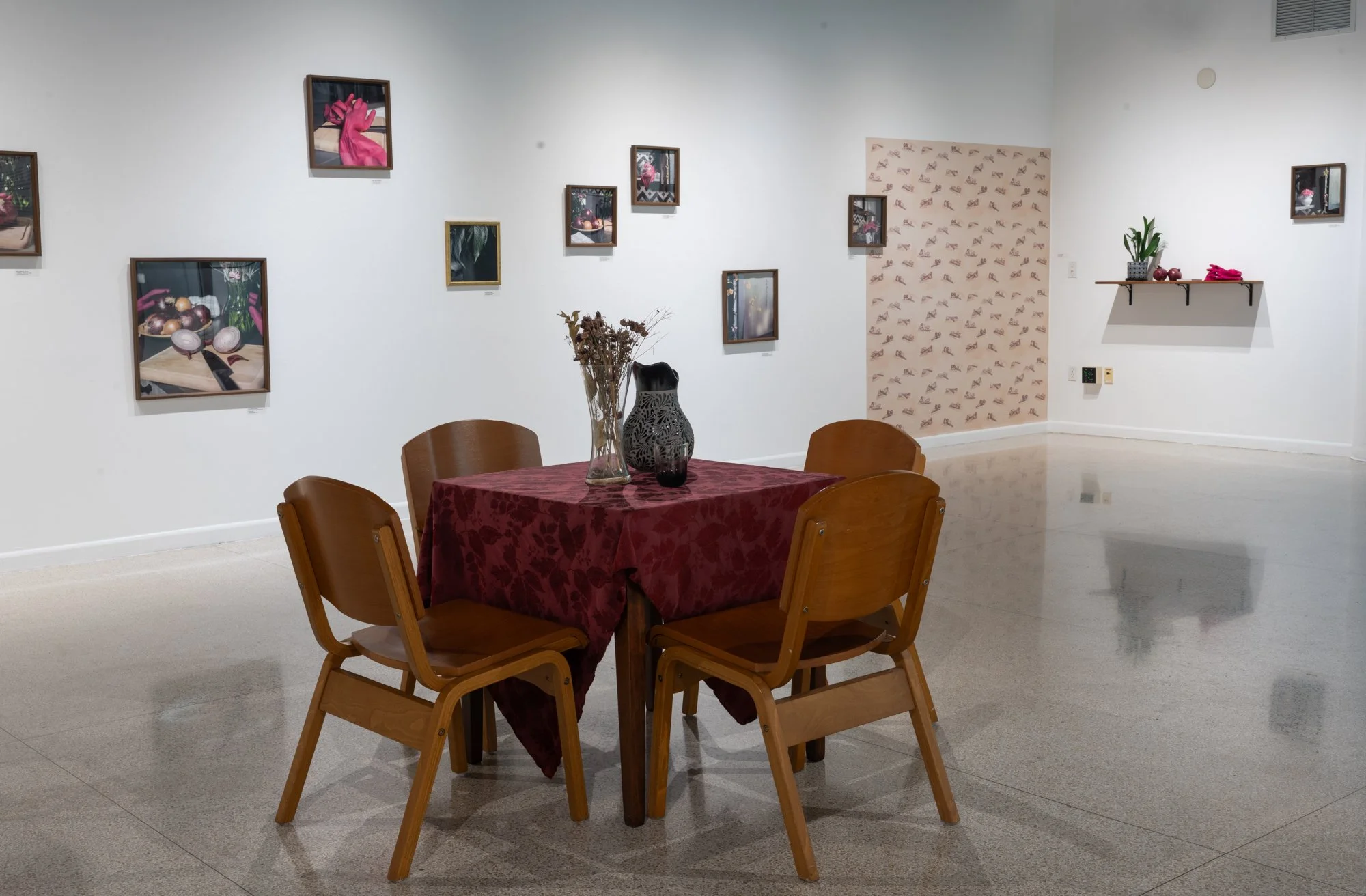
“They say it is love, we say it is unwaged work” is the opening sentence of a feminist pamphlet, published in 1975 by the scholar Silvia Federici. That quote not only embodies the title of this series, but also illustrates it. These photographs are a woman’s vantage point; domestic, reproductive, care labor, tenderness, rage, conflict, a sense of revenge, and ambiguity among a range of feelings. What some call love, I call a variety of other responses.
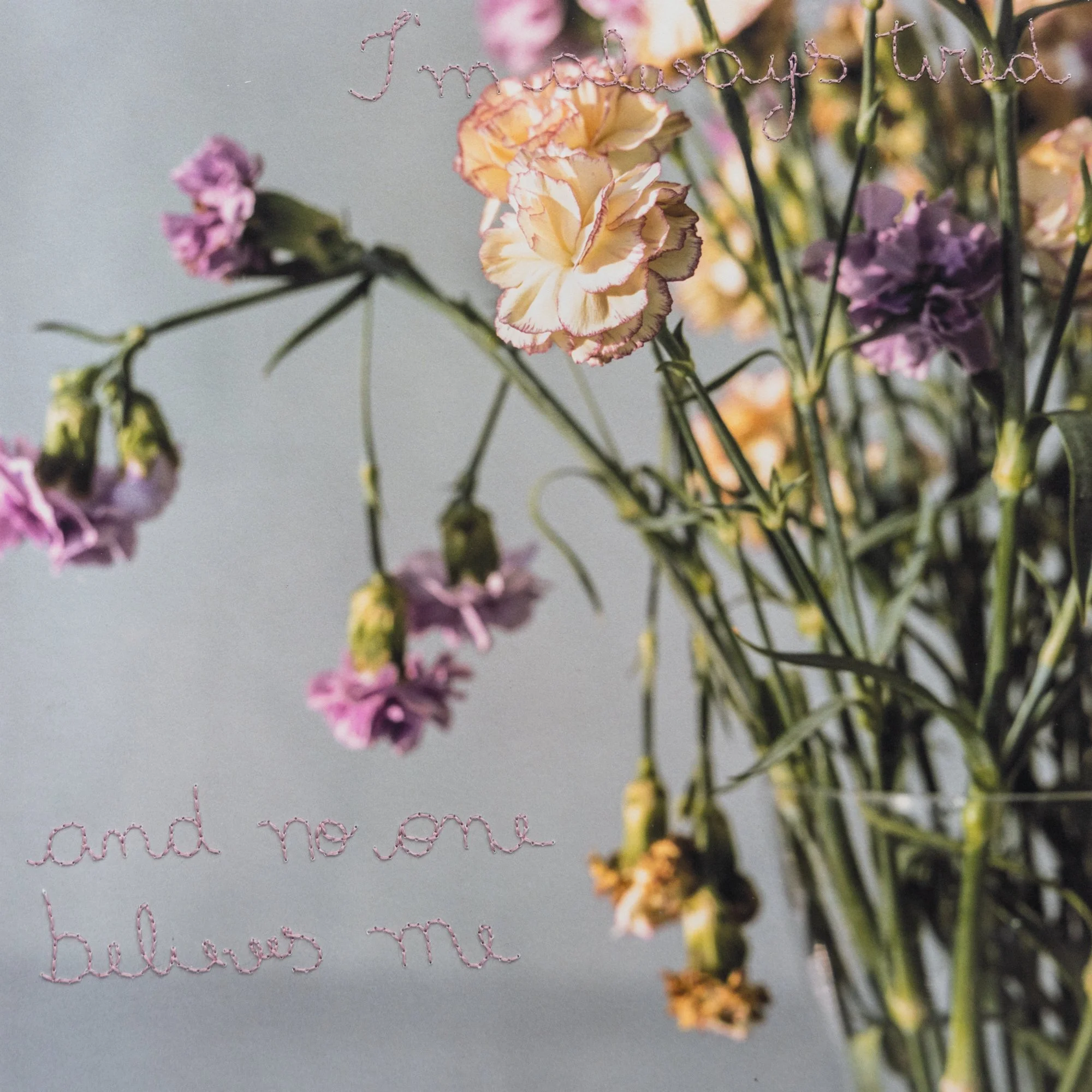
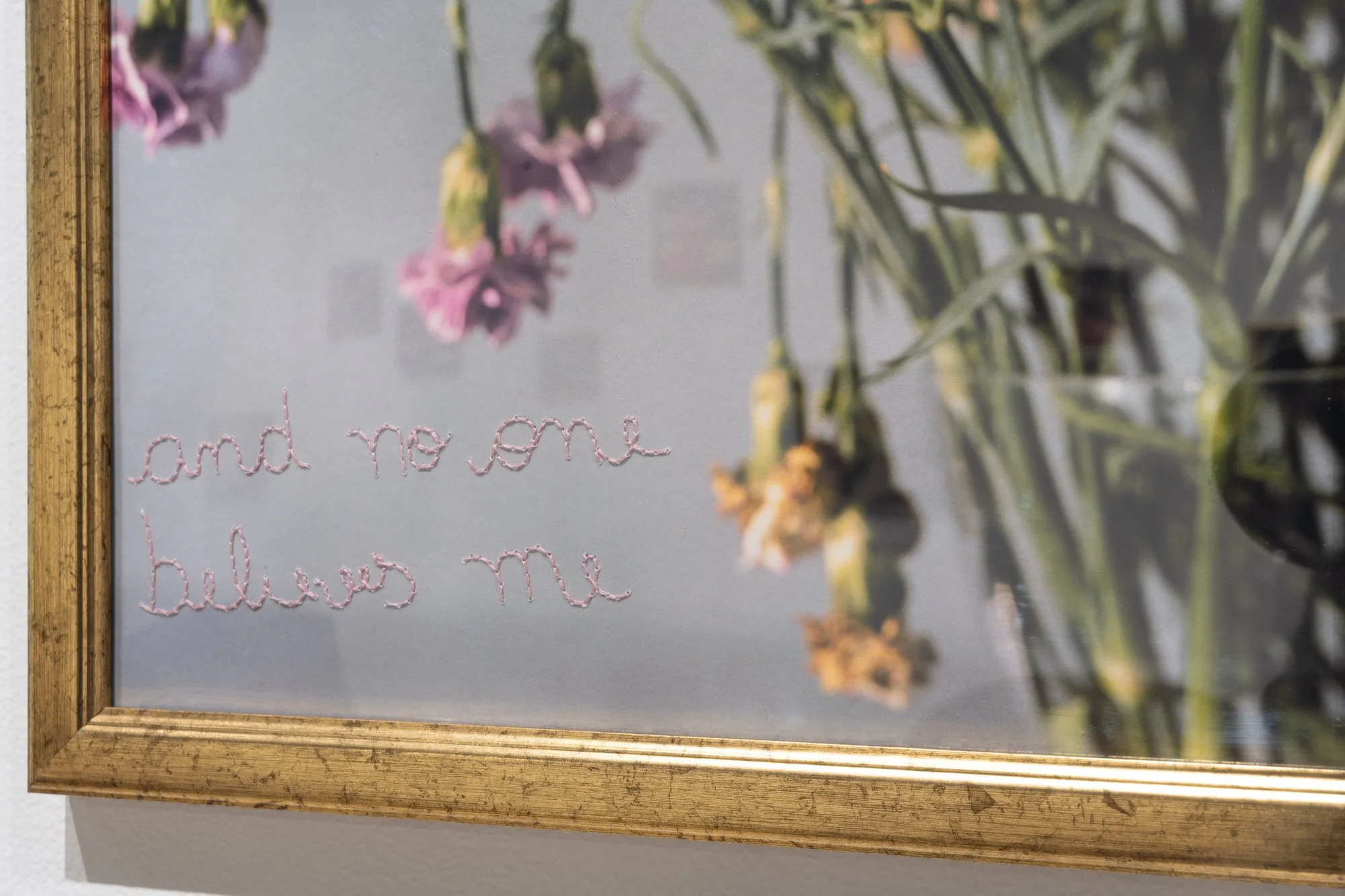
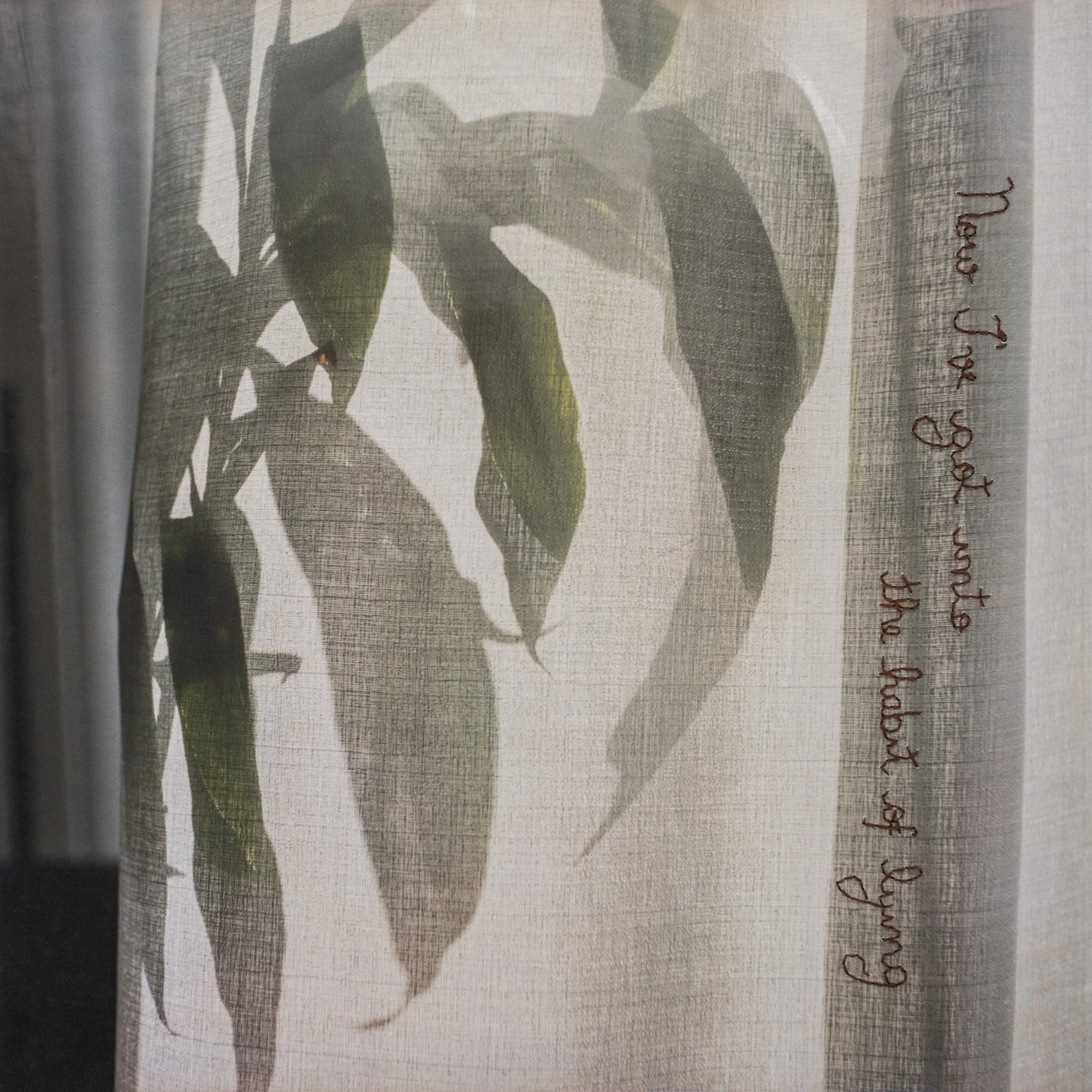
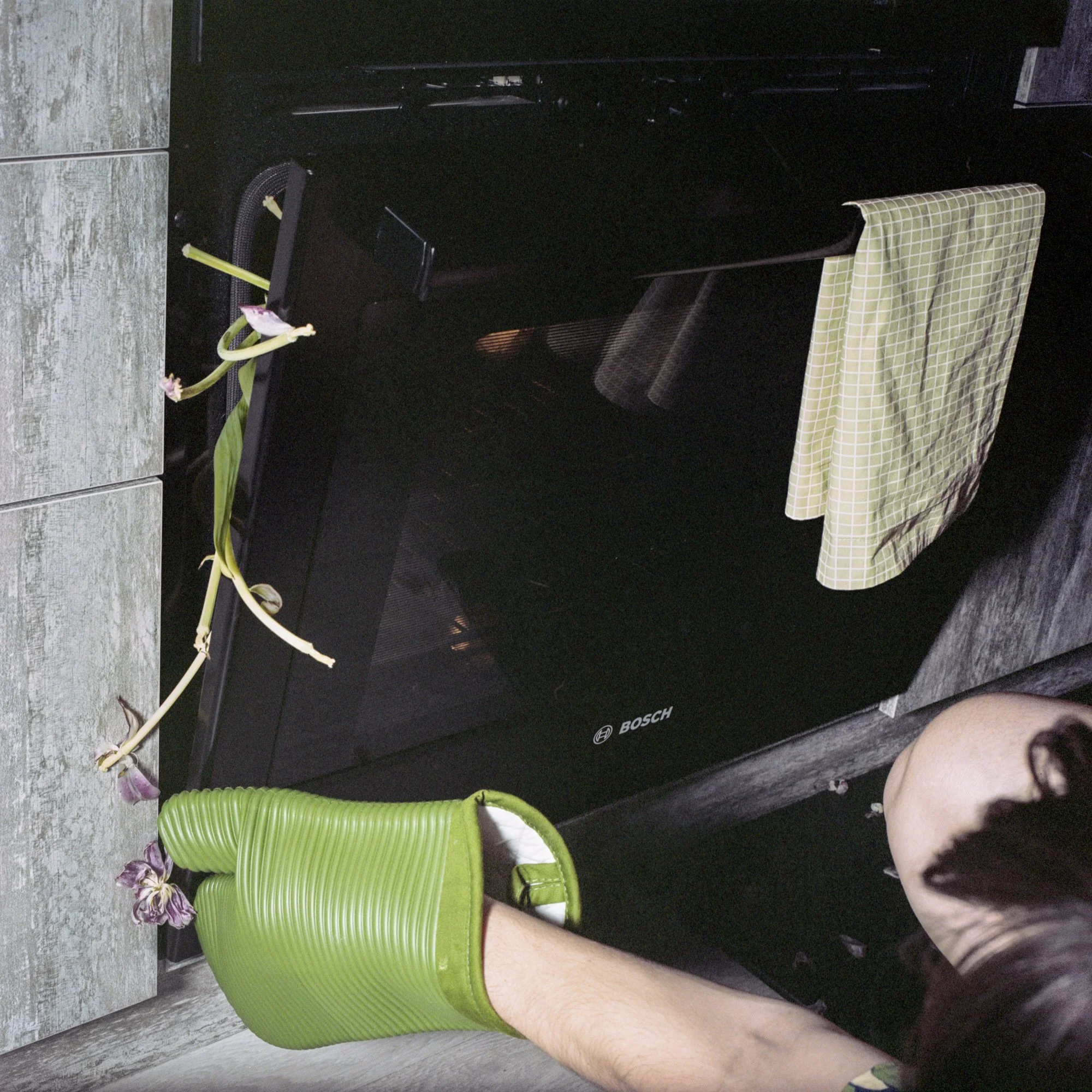
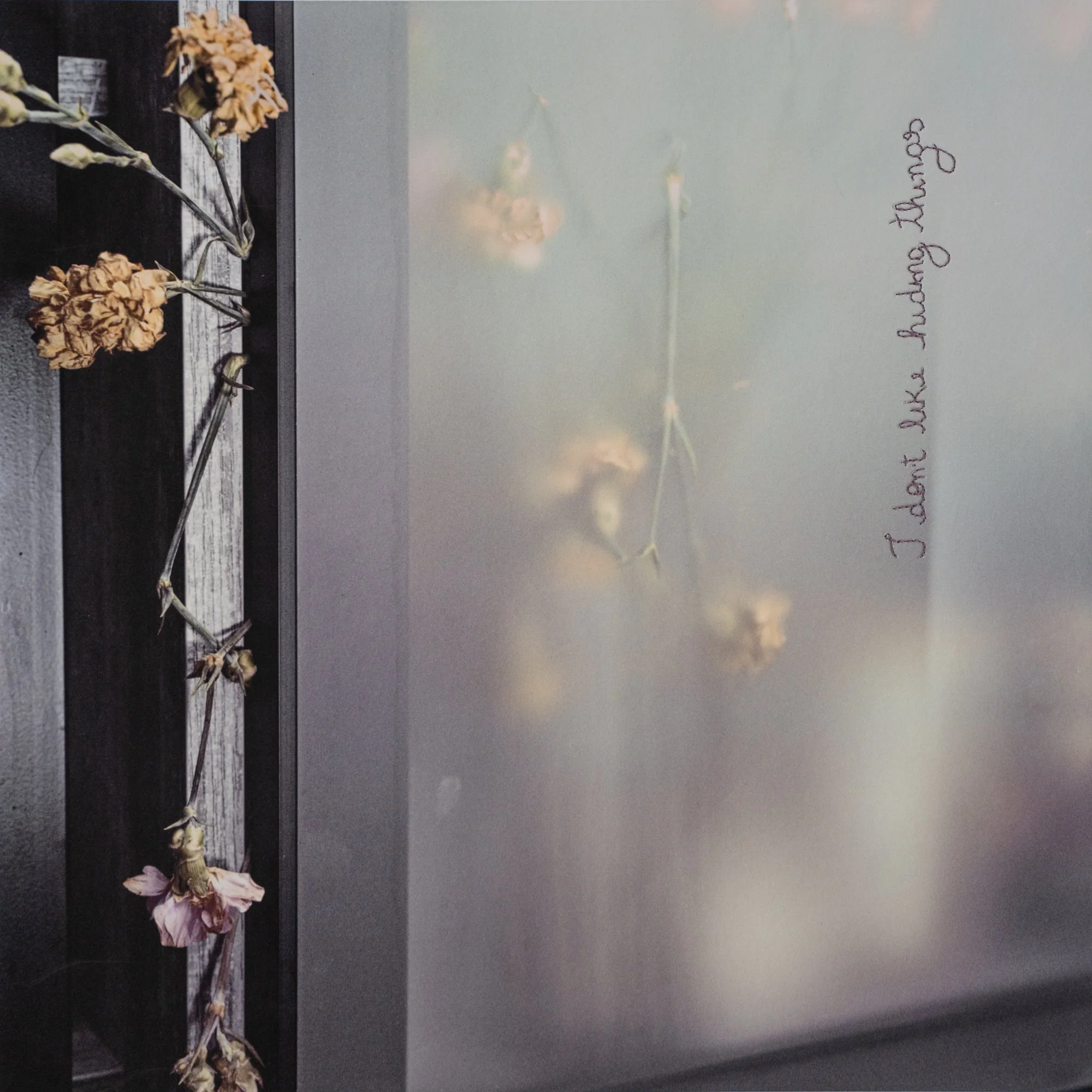
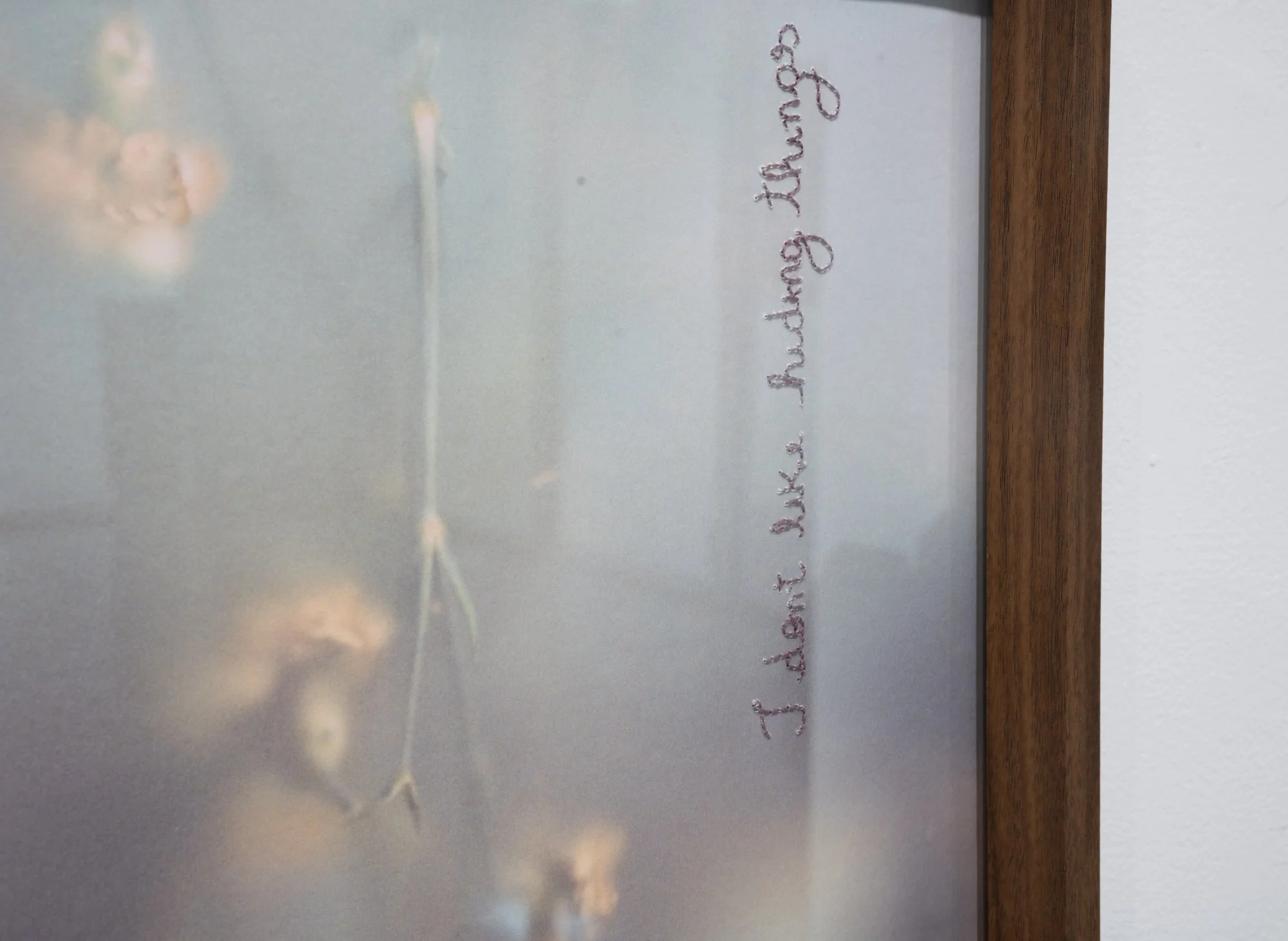
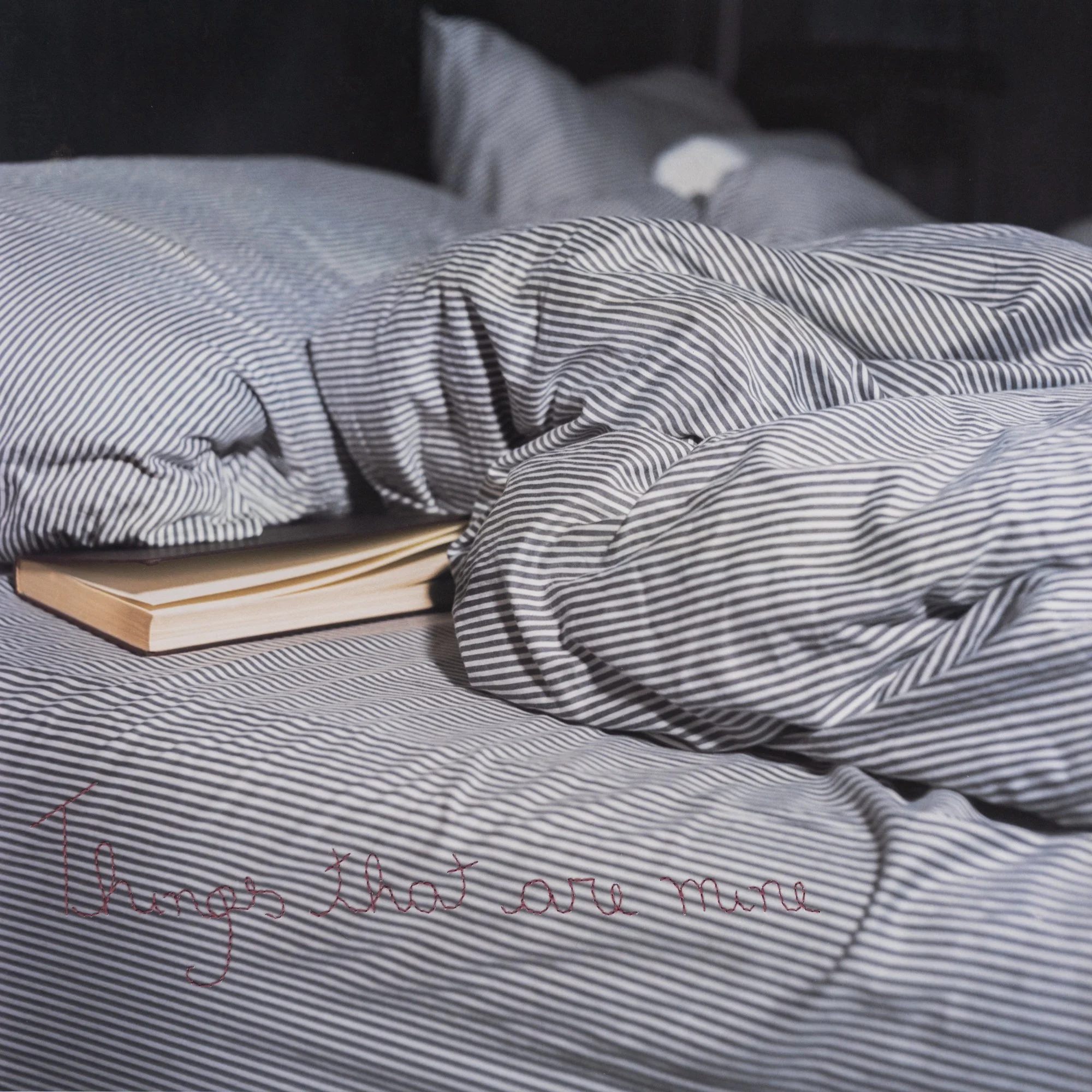
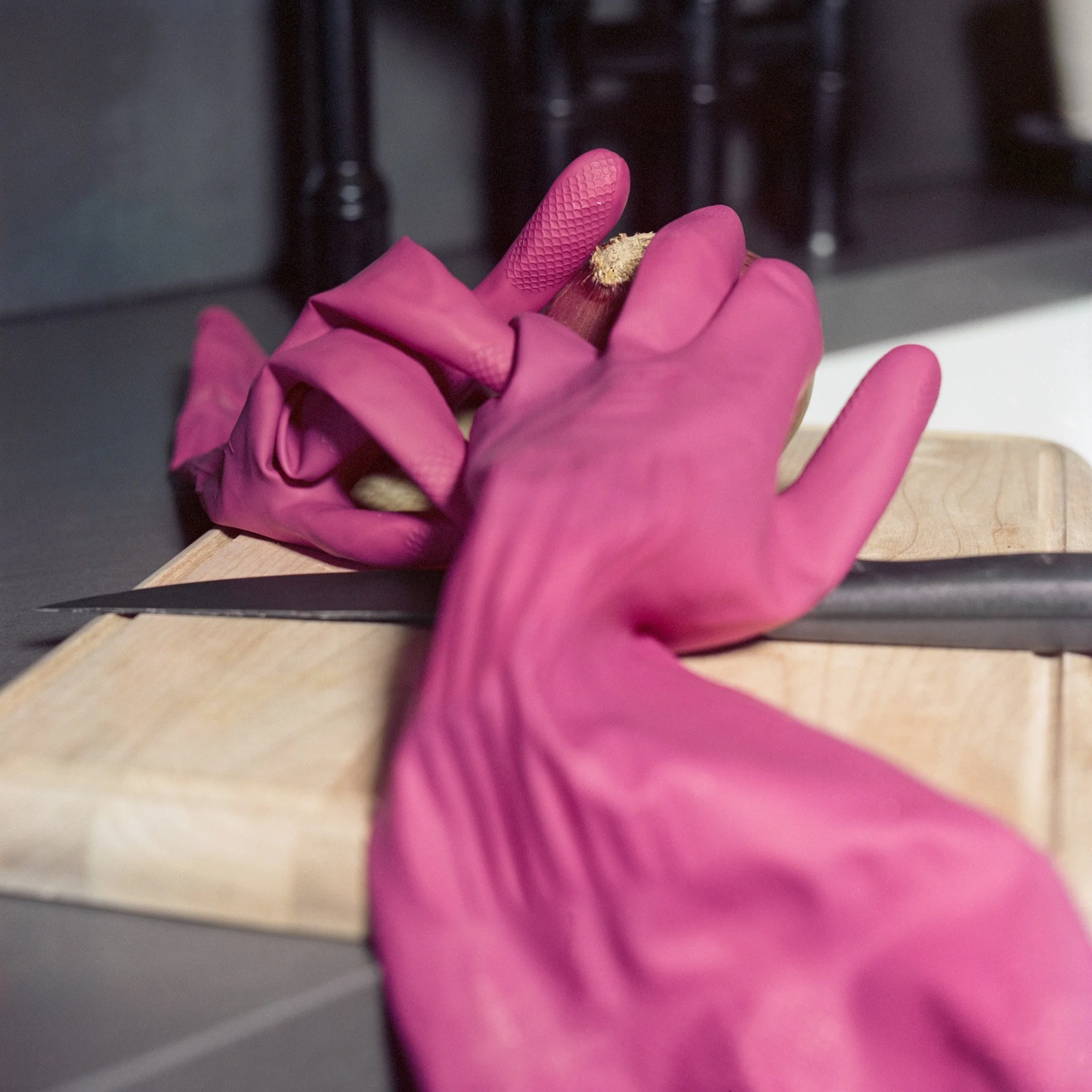
This series, comprised of 120mm color film photographs, is primarily informed by the novel Forbidden Notebook by Alba de Céspedes, originally published in 1952. Titles of pieces and the embroidered sentences were taken from the book, revealing constraints, moral ties, and desires.
Desolation plays a significant role in this series. The domestic labor performed by this woman is taken for granted. She feels exhausted, and no one believes her. She chops onions to release her tears. She doesn't want to be punished for her desires. She keeps them a secret. A shift occurs in her; now she gathers with her girlfriends; reclaiming her time, pursuing leisure, seeking pleasure.
This series of staged photographs offers an intimate look at broader social issues: unsatisfactory and unbalanced parental leave policies, the lack of free childcare, exhausting work schedules, unequal and unfair wages.
The consequences are portrayed across the photographs: mental overload, weariness, inferior education and career opportunities for women. The glorification of the family is harmful, Federici says.